ODM Explained: How a Custom Formula Goes From Brief to Finished Product
ODM gives you a distinctive product without building a formula from nothing. Here is how the process works, step by step, and what makes a brief that gets you to a great result faster.

ODM, or original design manufacturing, is the middle path between putting your label on an existing product and producing a formula you already own. With ODM, you bring the vision and the manufacturer develops the formula to match. It is how brands get a genuinely distinctive product without the cost and time of building everything from scratch. Here is how the process actually works.
What ODM is, and is not
In ODM, the manufacturer designs and produces a formula based on your brief. That is different from private label, where you choose from existing formulations, and from OEM, where you supply a finished formula for the manufacturer to produce. If you want to understand how the three compare, our guide to OEM, ODM and private label lays them side by side. ODM suits brands with a clear point of view who do not yet have a formula of their own.
Step one: concept and brief
Everything starts with a conversation about what you want to make. You share the product you have in mind, the ingredients you care about, the positioning, the markets you are selling into and the certifications you need. This is where the right manufacturing approach is confirmed and a clear quote is agreed. Nothing begins until both sides understand what is being built and why.
Step two: formulation and samples
The formulation team develops the product to your brief, sometimes starting from a proven base and adapting it, sometimes building something new. You receive samples to review, and the formula is refined until it matches your vision. This back-and-forth is the heart of ODM, and a manufacturer that welcomes detailed feedback at this stage is one worth keeping.
Step three: testing and sign-off
Once the formula is right, it goes through stability and safety testing before any production begins. The formula is only locked after you have signed off. This protects you, because it means the product you approved is exactly the product that gets made, and it ensures the formula is sound and safe for the markets you are entering.
Step four: production and compliance
Manufacturing takes place in a certified facility, with quality control on every batch. Alongside production, the documentation your markets require is prepared, so you receive products that are ready to sell, not just ready to ship. You can see how this fits into the wider journey on our how it works page.
When ODM is the right choice
Choose ODM when you have a clear concept that existing products do not quite deliver, but you do not have a finished formula of your own. It gives you a distinctive, defensible product at a cost and timeline well below full custom development. If you are still validating demand, starting with private label first and moving to ODM later is a perfectly sound path.
What a strong brief includes
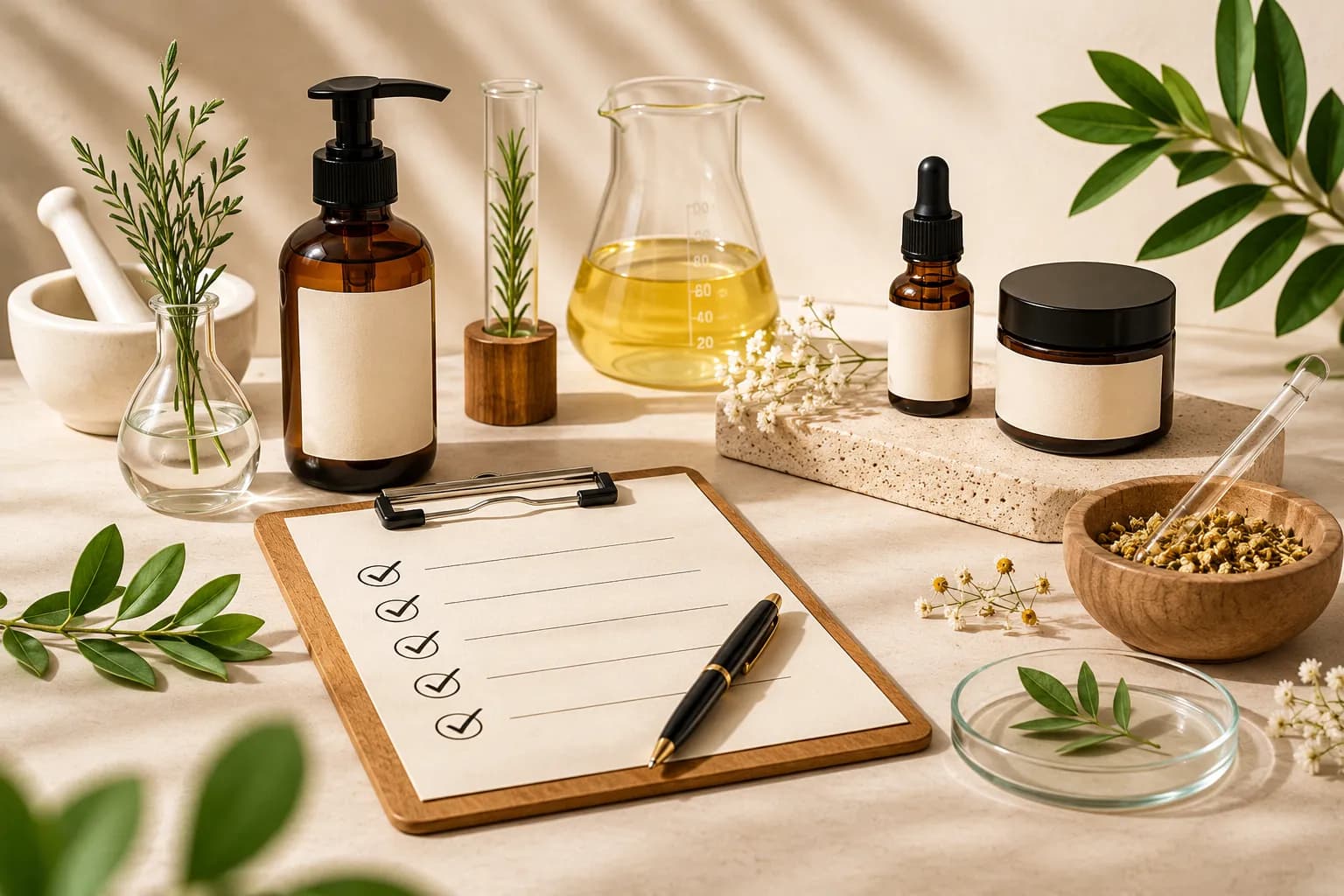
- The product type and the experience you want it to deliver.
- Hero ingredients you want to feature, and anything to avoid.
- The markets you are selling into, so compliance is built in from the start.
- Your positioning and price point, which guide formulation choices.
- Any certifications your buyers or retailers will require.
If you have a concept and want to see it become a finished product, explore our ODM service or share your brief to get started.