What Is Private Label Manufacturing and How It Works
Private label lets you sell proven, ready-made formulations under your own brand. Here is how the process works, what you can customise, and where it fits for a growing natural products brand.
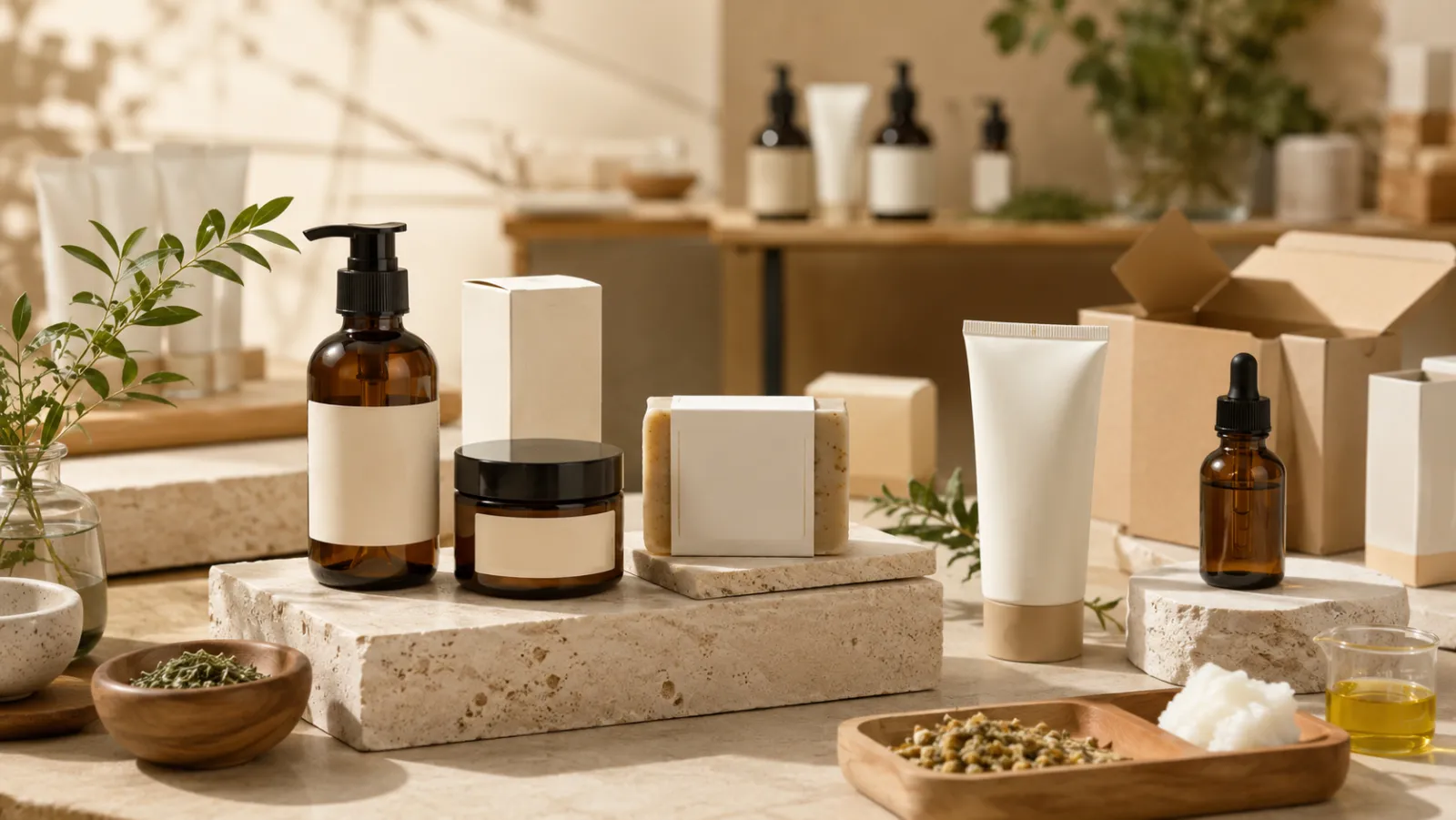
Private label is the most common way new brands get a quality product to market without building a factory or a formulation lab of their own. The idea is simple: a manufacturer has already developed and tested a range of formulations, and you sell them under your own brand. You focus on positioning, packaging and customers. The manufacturer handles the chemistry, production and compliance.
It sounds straightforward, and at its best it is. But there is more nuance to private label than putting a label on a finished product, and understanding it helps you get a better result.
What private label actually means
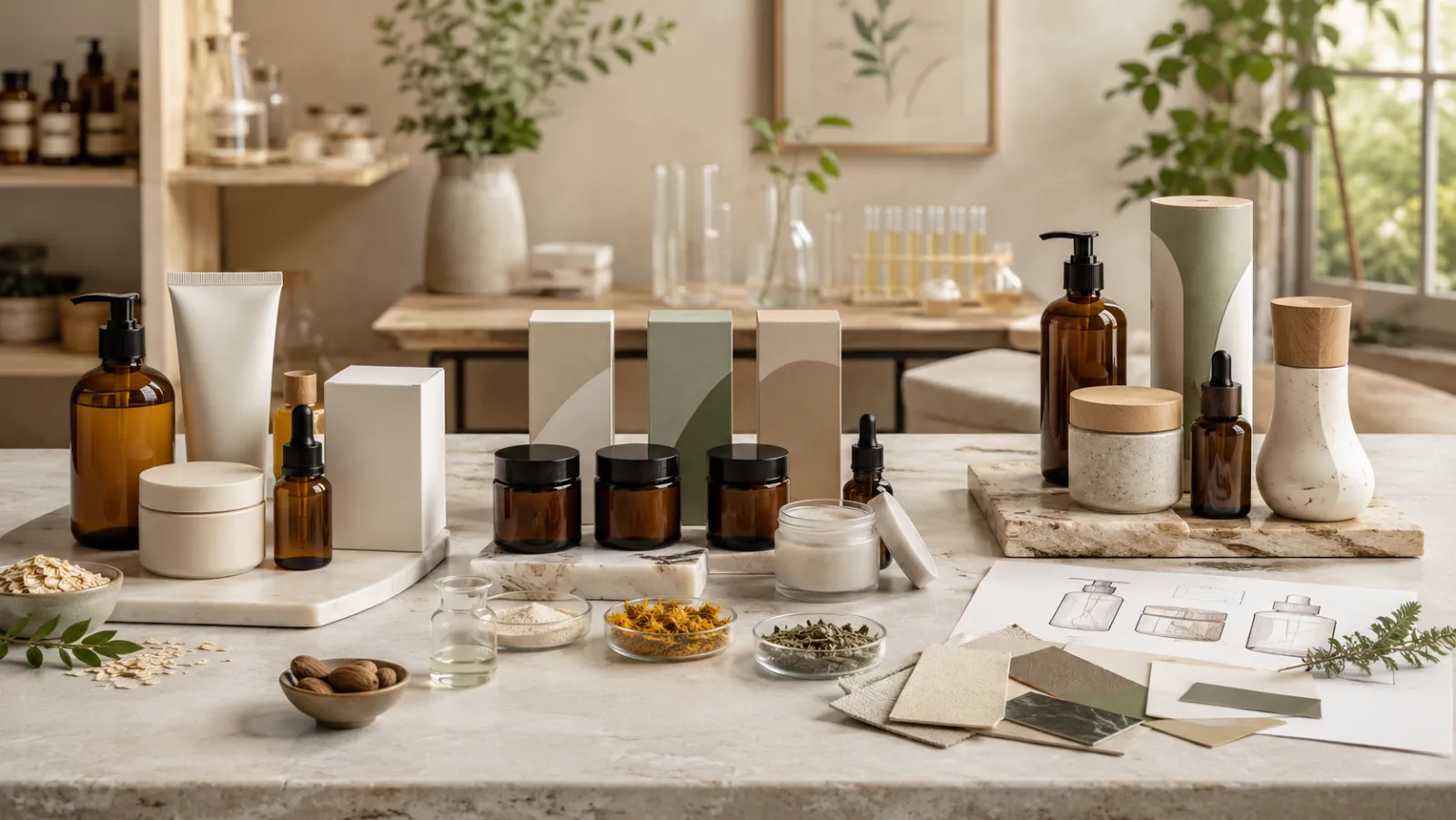
In a private label arrangement, the formula belongs to the manufacturer and is offered to multiple brands. What makes your version yours is everything around that formula: the scent profile, the colour, the bottle or jar, the cap, the label artwork and the story you tell. Because the formula and its safety data already exist, you skip the longest and most expensive part of product development.
That is why private label is the entry point for so many brands. You can launch a credible, certified product at a fraction of the cost and time of developing a custom formula from scratch.
What you can customise, and what you cannot
You can usually adjust the sensory and visual identity of the product without touching the core formula. The things that are off the table in pure private label are structural changes to the formulation itself, because that moves you into ODM territory. A good manufacturer will be clear about where that line sits.
- Scent: choose from available fragrance options or request an unscented version.
- Packaging: select the format, size and closure that fits your retail position.
- Label and artwork: your branding, checked against the rules of your target markets.
- Presentation: gift sets, bundles and secondary packaging for retail or e-commerce.
How the process works
- Choose your formulations: select from the available range across categories such as oils, skincare, soaps and wellness. You can browse our product range to see what is possible.
- Customise the details: confirm scent, packaging format and any presentation choices that make the product feel like yours.
- Review a sample: see and test the product before committing to production, so there are no surprises.
- Check the label: artwork is reviewed against the compliance requirements of the markets you are selling into before anything goes to print.
- Production and quality control: manufacturing takes place in a certified facility with in-process checks on every batch.
- Delivery: finished, sell-ready products ship to your warehouse, and reordering later is straightforward.
What private label is good for
Private label is ideal when speed and lower risk matter more than owning a one-of-a-kind formula. First-time founders use it to launch without a large up-front investment. Retailers and buying groups use it to build consistent own-brand ranges. Established brands use it to add adjacent products quickly without diverting their formulation budget. It is also a sensible way to test demand before investing in a custom ODM formula.
The packaging question most brands miss
One detail catches many brands off guard. Plenty of manufacturers quote a low minimum on the formula, then a separate, much higher minimum on the packaging, because they do not hold bottles and jars in stock. The result is a real starting quantity far above the headline figure. It is worth asking any manufacturer for the combined minimum, formula and packaging together, so you know your true entry point. We stock packaging so the minimum you are quoted is the minimum you actually pay, from 500 units.
Is private label right for you
If you want a credible, certified product without the cost and timeline of custom development, private label is usually the right place to start. If you already have a strong, specific vision for a formula that does not exist yet, ODM may suit you better. If you are weighing the options, our guide to OEM, ODM and private label compares all three.
Ready to see what your range could look like? Tell us what you want to make and we will prepare a tailored quote.