How to Choose a Natural Products Manufacturer: A Brand's Checklist
The right manufacturer is a long-term partner, not just a supplier. Here is a practical checklist for evaluating one, from certifications and real minimums to communication and room to grow.
Choosing a manufacturer is one of the few decisions in your brand that is genuinely hard to reverse. Switching later means new formulas, new paperwork and new lead times, so it pays to choose well the first time. The best manufacturer for you is not simply the cheapest or the largest. It is the one whose certifications, minimums, flexibility and way of working match where your brand is now and where you want it to go. Here is what to evaluate.
Certifications and compliance
Start with the credentials, because they are the foundation everything else sits on. A serious facility holds recognised, third-party audited certifications such as GMP and Halal, alongside the relevant ISO standards. These are not decoration. They are what retailers and distributors ask for, and what regulators in your target markets expect. Confirm the certifications are current and independently issued, not self-declared.
The real minimum order
Ask for the combined minimum on formula and packaging together, not just the formula. A low headline figure can hide a much higher real minimum if the manufacturer does not stock packaging. This single question separates manufacturers who are genuinely accessible to smaller brands from those who only look it. Our guide to cosmetics MOQ explains why this matters so much.
Formulation flexibility
Can the manufacturer actually adapt a formula, or only apply your label to a fixed product? The ability to adjust scent, texture and ingredients, and to develop something new when you need it, is what lets your brand grow beyond a generic range. Look for a partner that offers both private label and custom ODM, so you are not forced to switch suppliers when your ambitions change.
Communication and project management
A great formula is worth little if you wait days for a reply or struggle to get a clear answer. Pay attention to how a manufacturer communicates during your first conversations, because that is the best preview you will get of the working relationship. Clear timelines, a named point of contact and prompt, honest responses matter more than polished marketing.
Documentation for your markets
Selling into Europe, the Gulf or North America each carries its own documentation requirements. The right manufacturer prepares this as part of the service rather than leaving you to source it separately or, worse, discovering the gap after production. Ask specifically which markets they support and what paperwork they provide for each.
Room to grow
The manufacturer that suits your first 500 units should also be able to support you at much larger volumes, and across new product categories, without you having to start over. Choosing a partner who can scale with you avoids the disruption and cost of migrating production later, when the stakes are higher.
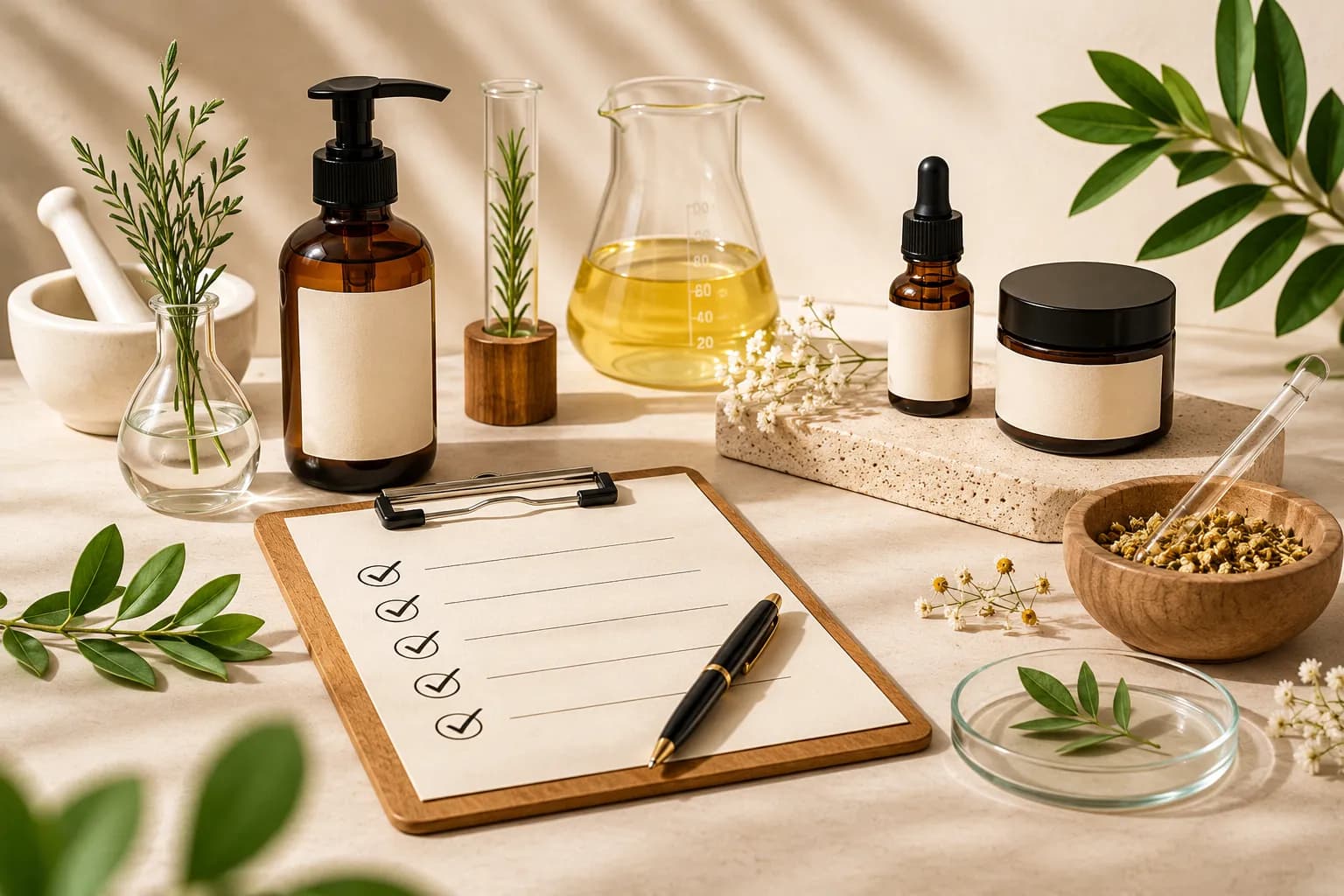
A quick checklist
- Current, third-party certifications including GMP and Halal.
- A clear, combined minimum for formula and packaging.
- Genuine formulation flexibility, from private label to custom ODM.
- Responsive, English-speaking communication with a named contact.
- Compliance documentation prepared for your target markets.
- The capacity and range to grow with your brand.
- Samples before any production commitment.
If you are weighing up partners, the simplest test is to start a conversation and see how it feels. Tell us what you want to make and judge us against this checklist yourself.